
If you have obstructive sleep apnea, choosing between CPAP and an oral appliance is an important treatment decision. Both help keep the airway open, but they work differently and are not appropriate for every patient.
At our Ames, IA dental office, Dr. Amie Rockow-Nelson evaluates your diagnosis, anatomy, comfort, lifestyle, and treatment history to determine whether oral appliance therapy may be appropriate. The goal is to identify an effective option that you can use consistently.
How CPAP and Oral Appliance Therapy Work
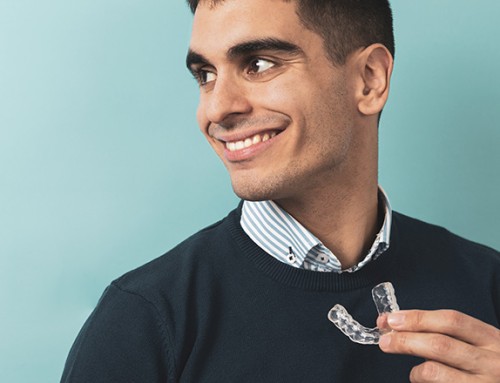
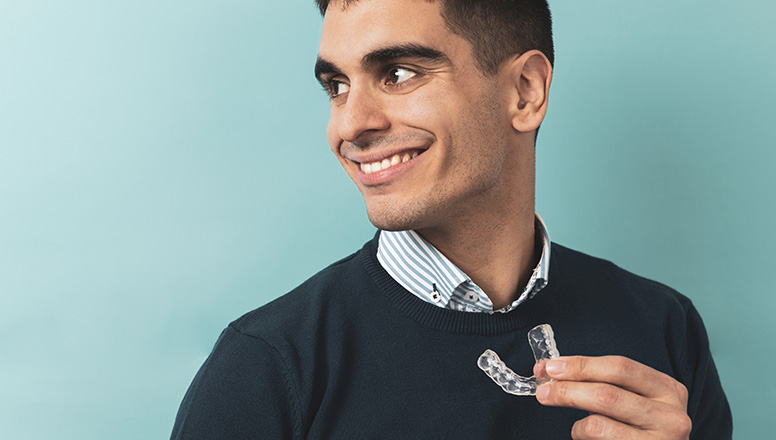
Dental sleep medicine offers another approach to managing obstructive breathing concerns. Oral appliance therapy uses a custom dental device to position the lower jaw and tongue in a way that supports airflow throughout the night.
For patients who struggle with a mask, pressurized air, dryness, equipment noise, or traveling with a machine, a custom oral appliance may provide a smaller, quieter treatment option.
Why Some Patients Look for an Alternative to CPAP
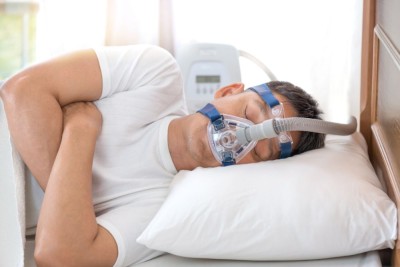 Some people explore dental sleep medicine because their current sleep apnea treatment is difficult to use consistently. After all, treatment can only help when it is used as recommended.
Patients may consider oral appliance therapy due to:
- Mask discomfort or skin irritation
- Dry mouth or nasal dryness
- Difficulty sleeping with pressurized airflow
- Noise or equipment concerns
- Trouble traveling with a machine
- Claustrophobic feelings
These concerns do not necessarily mean your prescribed treatment is unsuitable. However, they may give you a reason to discuss dental sleep medicine and other options with the healthcare providers managing your sleep apnea.
What Are the Benefits of an Oral Appliance for Sleep Apnea?
A custom oral appliance is small, portable, and does not require electricity. Many patients also find it easier to fit into their bedtime routine.
A Smaller, Travel-Friendly Option
Oral appliances fit in a compact case and do not require an outlet or tubing. That can make them easier to pack than a CPAP machine.
If travel is a major concern, our article on sleep apnea travel tips explains why some patients prefer an oral appliance when traveling.
Quiet, Custom-Fitted Treatment
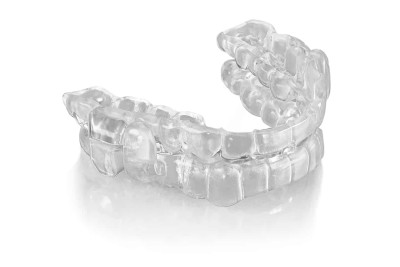 An oral appliance works without a motor or pressurized airflow, making it quiet throughout the night. Unlike a generic mouthguard, it is custom-made to fit your teeth and position your lower jaw to support an open airway.
Different designs allow for adjustments based on your bite, jaw movement, comfort, and treatment needs. The appropriate device is selected after evaluating your oral health, airway, and diagnosis.
Is an Oral Appliance Better Than CPAP?
Not necessarily. We determine whether oral appliance therapy may be appropriate by reviewing your diagnosis, treatment history, anatomy, and individual needs.
The right approach should manage your condition effectively and be practical enough to use consistently. For some patients, that may be a custom oral appliance. Others may benefit from a different form of care.
Consult the healthcare providers managing your condition before changing or stopping any prescribed treatment.
How Do We Evaluate Oral Appliance Therapy?
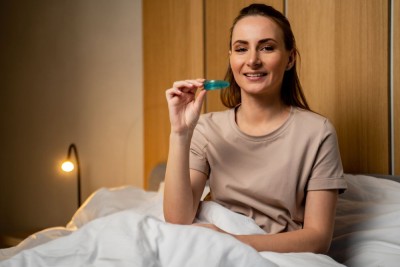 Oral appliance treatment involves more than taking an impression of your teeth. Before recommending a device, we evaluate your airway, bite, jaw position, muscle function, and dental health.
Depending on your needs, Dr. Rockow-Nelson may use digital scanning, 3D imaging, computerized bite analysis, muscle testing, or jaw-tracking technology. These tools provide a clearer picture of how your teeth, jaw, and muscles work together, especially if you also experience discomfort in your jaw.
This evaluation may also draw on principles of neuromuscular dentistry, which considers how the teeth, jaw joints, and facial muscles work together. That information can help Dr. Rockow-Nelson plan an appliance position that supports the airway without overlooking bite function or jaw comfort.
The goal is to create an appliance that supports your airway, fits comfortably, and works with your natural bite.
If you experience jaw pain or headaches, learn more about the relationship between bite function and TMJ-related headaches.
Can an Oral Appliance Change Your Bite or Cause Jaw Discomfort?
It can. Oral appliances change the position of the jaw during sleep, so some patients may notice jaw soreness, tooth pressure, or changes in bite.
That is one reason follow-up matters. We monitor how the appliance fits, how your bite feels, and whether adjustments are needed.
Tell us if you notice any new discomfort or changes in how your teeth fit together. Addressing concerns early helps us decide whether the device needs adjustment or whether another approach should be considered.
Explore Oral Appliance Therapy in Ames
If CPAP has been difficult to use, a custom oral appliance may offer another way to manage sleep apnea. An evaluation can determine whether it is appropriate for your breathing needs and treatment goals.
Schedule a sleep apnea consultation online or call Ames Center for Cosmetic and Family Dentistry at (515) 956-3700.